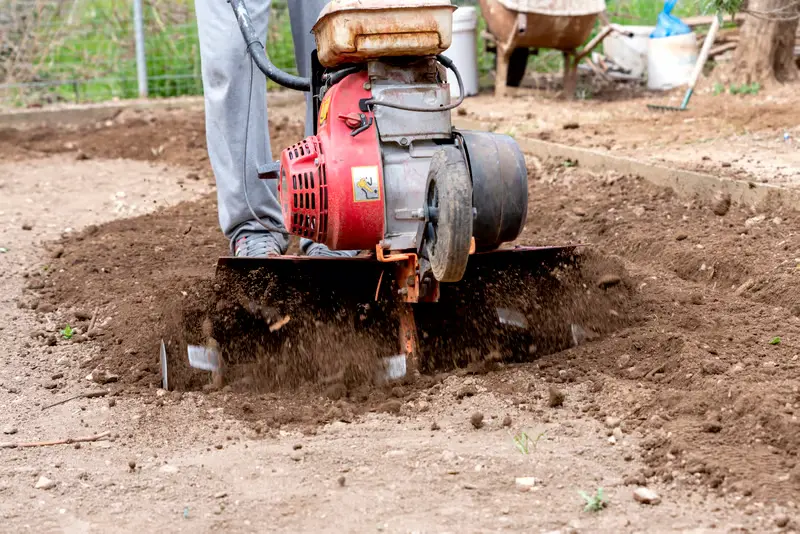
Removing a tree can make a yard look more open, but the remaining stump often creates a new problem. It may sit in the middle of a lawn, interfere with mowing, attract insects, or take up space you want to use for a patio or garden. Some homeowners want it gone quickly, while others prefer a cheaper approach that requires less equipment.
The right solution depends on the stump’s size, tree species, location, budget, and how soon you need the area cleared. The main stump removal methods include mechanical grinding, natural decomposition, chemical treatments, and complete excavation. Each approach has different costs, timelines, and practical limitations.
Why Should You Remove a Tree Stump?
A tree stump may seem harmless at first, especially when it is cut close to ground level. However, it can become an obstacle as the surrounding lawn grows. People may trip over it, lawn equipment can strike it, and exposed roots can make mowing or landscaping difficult.
Old stumps can also attract insects and other organisms. As the wood begins to decay, it may provide a suitable environment for termites, carpenter ants, beetles, and fungi. Not every insect found in a stump will damage nearby structures, but a stump close to a house deserves attention. Keeping decaying wood away from buildings can reduce unwanted pest habitat.
The remaining roots may also produce new shoots, depending on the tree species. Some trees respond to cutting by sending up vigorous growth around the stump. These shoots can become a repeated maintenance problem if the root system remains alive.
Removing the stump can make the property easier to maintain and prepare the space for another use. You may want to install grass, build a garden bed, extend a driveway, or simply create a cleaner outdoor area. The intended use should guide your choice of removal technique.
What Are the Main Stump Removal Methods?
There is no single method that works best for every property. Grinding is usually chosen when speed and surface clearance matter. Natural rotting suits homeowners who can wait, while chemical treatments may help speed up decomposition under suitable conditions. Complete excavation is useful when the roots must be removed rather than left underground.
Before choosing, consider the stump’s diameter, wood condition, root spread, and distance from buildings or underground services. A large hardwood stump can take much longer to break down than a small softwood stump. Access also matters because machinery needs enough room to reach the work area.
Stump Grinding for Faster Results
Grinding is one of the most practical options when you want to remove the visible stump without digging out the entire root system. A professional uses a stump grinder fitted with a rotating cutting wheel to reduce the wood into small chips. The machine works across the stump and gradually lowers it below the surrounding ground.
The depth depends on the machine, site conditions, and what you plan to do with the area. For a basic lawn repair, grinding below ground level may be enough. If you plan to plant in the same location or install landscaping that needs deeper soil, discuss the required depth before work begins.
The process is generally much faster than waiting for natural decay. A small stump may take a relatively short time, while a large stump with a wide root flare can require more work. The operator must also consider nearby walls, fences, paving, and buried utilities.
Grinding does not remove every root. The larger underground sections remain and gradually decay over time. This is usually acceptable for lawn restoration, but it may not suit construction projects that require a clear and stable excavation area.
Natural Stump Rotting
Natural decomposition is a low-cost approach that allows fungi, bacteria, moisture, and insects to break down the remaining wood. It requires little specialist equipment, but it takes patience. Depending on the tree species, stump size, climate, and moisture conditions, decomposition can take several years.
Soft, smaller stumps often decay faster than large hardwood stumps. A thick oak stump, for example, may remain firm long after a smaller pine stump has softened. Dry conditions can slow the process, while consistently damp conditions may encourage decay.
You can support natural decomposition by keeping the area reasonably moist without creating standing water. Breaking down an accessible stump into smaller sections may also expose more wood to decomposing organisms. However, avoid damaging nearby roots, underground pipes, or cables while working.
Natural rotting is a sensible choice when the stump is away from walkways and buildings and does not interfere with your plans. It is less suitable when you need the area ready for construction or immediate landscaping.
Chemical Stump Treatments
Chemical stump treatments are sold to help accelerate the breakdown of wood. Some products are designed to encourage decomposition by making the wood easier for fungi and microorganisms to break down. Others may contain different active ingredients, so the product label matters more than general assumptions about chemical treatments.
These products are not instant stump removers. They usually require the wood to remain in place while decomposition takes its course. Results vary with the product, tree species, stump condition, temperature, and moisture. A large, dense stump may still take a long time to soften.
Follow the manufacturer’s instructions exactly, including application limits, protective equipment, storage, and restrictions around children, pets, plants, and water sources. Do not substitute industrial chemicals or household products for a labelled stump treatment. Some chemicals can contaminate soil or harm surrounding vegetation.
Chemical treatment may be useful when machinery cannot access the stump and you are willing to wait. However, compare the product cost and expected timeline with natural decay before buying anything. A treatment that saves little time may not offer much value.
Complete Stump and Root Excavation
Excavation removes the stump and a substantial portion of its root system from the ground. It may involve digging equipment, cutting tools, and machinery capable of lifting heavy wood. This approach is more disruptive than grinding, but it can be necessary when the area will be used for construction or major landscaping.
A homeowner planning a garage extension, retaining wall, or new paved area may need more than a stump ground below the surface. Remaining roots can decay and leave voids in the soil. An excavation plan allows the contractor to remove the material that would interfere with the project.
The main disadvantages are cost, soil disturbance, and access requirements. Excavation may damage nearby lawn areas, garden beds, or paving if the work is not planned carefully. It also requires attention to underground utilities and nearby structures.
How Do You Choose the Right Stump Removal Method?
Start by deciding what you want to do with the space. If you only want to remove a tripping hazard and restore the lawn, grinding is often a practical choice. If the stump is hidden in an unused corner and there is no urgency, natural decomposition may be enough.
For construction or deep landscaping, consider excavation. The contractor can assess how much of the root system needs to be removed to prepare a suitable base. Grinding may still be possible in some situations, but it should not be assumed to provide the same result as excavation.
Your budget also matters. Natural rotting generally has the lowest immediate cost, but it takes the longest. Grinding requires equipment or a professional service, while excavation can involve more labor and machinery. Chemical products add a purchase cost without guaranteeing quick results.
Location can settle the decision. A stump beside a fence, wall, pool, or utility line may be difficult to reach with large equipment. In such cases, ask a qualified contractor to inspect the site and explain which options are safe. Good stump removal methods should solve the problem without creating a bigger one.
How Much Does Stump Removal Cost?
The price depends on stump diameter, tree species, location, access, root structure, and the chosen technique. Contractors may charge by stump size, job complexity, or a minimum service fee. Removing several stumps in one visit may cost less per stump than booking separate jobs.
Grinding prices are influenced by the time needed to position and operate the machine. A stump in an open lawn is generally easier to reach than one surrounded by paving or close to a building. Large surface roots can also increase the amount of work.
Excavation often costs more because it requires additional digging, lifting, soil handling, and cleanup. Chemical treatment and natural decomposition may appear cheaper, but they involve waiting and may not clear the area completely. Consider the full cost, including later landscaping, rather than comparing only the initial price.
Ask contractors whether their estimate includes wood chip removal, backfilling, soil replacement, and site cleanup. Grinding produces a substantial amount of wood chips. Some homeowners keep them for suitable landscaping uses, while others prefer to have them hauled away.
What Safety Precautions Should You Take?
Stump work involves heavy machinery, sharp cutting equipment, flying wood chips, and hidden underground hazards. Even a small job can cause injury if the work area is not prepared properly. Keep children, pets, and bystanders away while equipment is operating.
Before grinding or excavation, identify underground utilities. Water lines, gas pipes, electrical cables, irrigation systems, and communication lines may run close to the stump. Contact the appropriate utility locating service before digging or operating machinery. Never assume that visible pipes show the full location of underground services.
A stump grinder should be operated by someone trained to use that particular machine. Operators need suitable protective equipment and must follow the manufacturer’s safety instructions. Flying debris can travel beyond the immediate cutting area, so barriers and a controlled work zone are essential.
Chemical products require a different set of precautions. Read the label before use and keep treatments in their original containers. Do not mix products or apply them near drains, ponds, wells, or edible plants unless the label specifically permits it. If you are unsure about a product’s suitability, ask a qualified local professional.
What Should You Do With the Stump Grinding Chips?
Grinding produces a mixture of small wood pieces and soil. The resulting pile can be larger than expected because the stump and roots occupy space below ground. Decide in advance whether you want to reuse the chips or have the contractor remove them.
Clean wood chips can be useful as mulch around suitable garden areas. Spread them in a moderate layer and keep them away from direct contact with tree trunks and plant stems. Avoid using material from a diseased stump around plants that could be affected by the same disease.
If you want to grow grass where the stump stood, do not simply spread a thin layer of topsoil over a deep pile of fresh chips. Wood material can settle as it decomposes, leaving the surface uneven. Remove excess chips, add suitable soil, and prepare the area for reseeding.
For planting a new tree, consider choosing a location away from the old stump and its remaining roots. Decomposing wood can affect soil conditions and make planting difficult. A landscape professional can advise on soil preparation and suitable planting distance.
How Long Does Each Method Take?
The timeline varies considerably. Grinding is usually the quickest option because the visible stump can often be reduced during a single service visit. Larger stumps, difficult access, and extensive surface roots can extend the job.
Natural rotting is much slower. A small stump in warm, moist conditions may soften sooner than a large hardwood stump in a dry climate. Even when the outer wood becomes soft, the center and larger roots may remain intact for a long time.
Chemical treatments also require patience. They may support decomposition, but they do not dissolve a stump immediately. Follow the product’s expected timeline and do not assume that adding more treatment will make the process faster.
Excavation can often clear the area within a working day, depending on stump size and site conditions. However, soil replacement, grading, and landscaping may take additional time. When comparing stump removal methods, consider when the entire area will be ready for its next use, not just when the stump disappears.
Common Mistakes to Avoid When Removing a Stump
One common mistake is choosing a method without considering what comes next. Grinding may be enough for a lawn, but it may not prepare the ground for a foundation or paved surface. Think about future use before hiring a contractor.
Another mistake is ignoring underground utilities. Digging or grinding without checking can damage essential services and create serious safety risks. Arrange utility locating before work begins, even if the stump appears shallow.
Some homeowners try to burn a stump to avoid paying for removal. This can cause uncontrolled fire, underground smoldering, smoke problems, and damage to nearby structures or roots. Local fire restrictions may also prohibit burning. Use a mechanical or approved treatment option instead.
Finally, avoid cutting costs by hiring someone without suitable equipment or experience. Poorly controlled grinding can damage nearby surfaces, while careless excavation can disturb utilities and foundations. A clear estimate and a proper site assessment are worth the extra time.
Conclusion
The best stump removal methods depend on your budget, property layout, timeline, and plans for the cleared space. Grinding offers quick surface clearance, natural rotting costs less but takes years, and chemical treatments may support gradual decomposition. Excavation is the stronger option when substantial roots must be removed for construction or major landscaping.
Take time to assess the stump before choosing. Check its size, condition, location, and nearby utilities, then compare the full cost and expected result. When machinery or underground hazards are involved, a qualified professional can help you select a safe approach and leave the area ready for its next purpose.