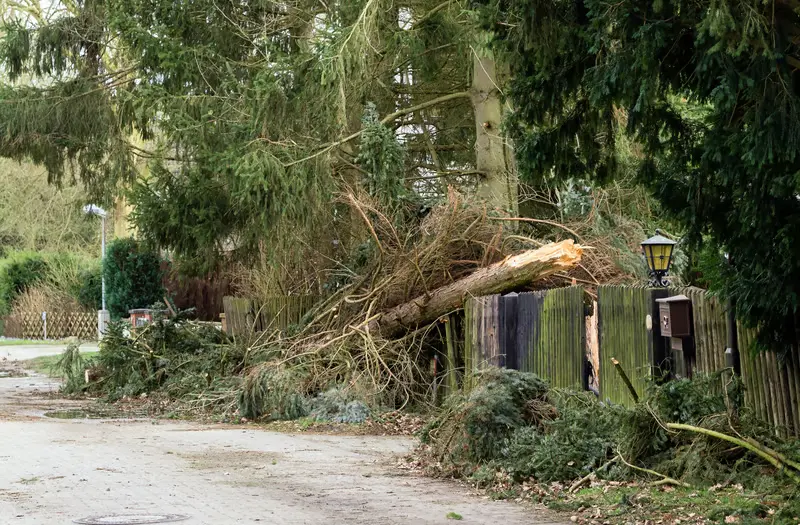
A tree needs emergency removal when it has fallen, is close to collapsing, or poses an immediate threat to people, buildings, vehicles, or power lines. Severe storms, damaged roots, split trunks, and large hanging branches can turn an ordinary tree into a serious hazard. Acting quickly, keeping people away, and contacting a qualified tree removal professional can reduce the risk of injury and further property damage.
Knowing what makes a situation urgent helps property owners respond without taking unnecessary risks. Not every damaged tree needs to come down, but some conditions require immediate attention.
What Is Emergency Tree Removal?
Emergency tree removal is the urgent removal of a tree that creates an immediate safety risk or threatens property. It is different from routine tree removal, which is usually planned in advance because of disease, construction, poor placement, or long-term maintenance concerns.
The work often follows severe weather, including thunderstorms, strong winds, heavy rain, snow, or ice. A tree may fall across a driveway, lean toward a house, split near its main trunk, or lose a large limb above a frequently used area. In these situations, waiting for a routine appointment may allow the danger to become worse.
The main purpose of emergency tree removal is to control an immediate hazard. A professional crew assesses the tree, identifies unstable sections, establishes a safe work area, and chooses a removal method based on the damage and surrounding structures. The safest approach may involve dismantling the tree in sections rather than cutting it down in one movement.
When Does a Tree Become an Emergency?
A damaged tree becomes an emergency when its condition creates a realistic risk of falling, breaking apart, or causing harm. The level of danger depends on the tree’s size, position, structural condition, and proximity to people or property.
A Tree Has Fallen on a Building or Vehicle
A fallen tree resting on a roof, garage, fence, or vehicle needs urgent professional attention. Even when the structure appears stable, the tree may be under pressure and could shift during removal. Its weight can also damage roof supports, windows, electrical equipment, or other parts of the building.
Do not climb onto the roof or attempt to pull branches away yourself. Keep people out of the affected area and arrange an inspection. If the tree has damaged the building, contact the appropriate emergency services when there is a risk of collapse or another immediate danger.
The Trunk Is Split or Severely Cracked
A deep crack in the trunk can indicate that the tree’s structural strength has been compromised. A split may develop after high winds, heavy snow, lightning, or an existing weakness in the wood. If the trunk separates partially, the remaining section may not be strong enough to support the canopy.
A tree with a major split should be assessed promptly, especially if it stands near a home, road, walkway, or outdoor seating area. Emergency tree removal may be necessary if the trunk is likely to fail.
Large Branches Are Hanging Overhead
Broken branches that remain caught in the canopy are often called hanging limbs or widowmakers. They can fall without warning, even when the weather becomes calm. Their danger increases when they are large, positioned above entrances, or suspended over areas where people regularly walk.
Stay away from the drop zone. Do not stand beneath the branch to inspect it or try to knock it loose with a pole. A trained arborist can determine whether the limb can be removed safely or whether the wider tree structure is unstable.
Roots Are Exposed or the Tree Is Leaning
A sudden lean after heavy rain or strong wind may indicate root failure. The ground around the base may rise, crack, or move, suggesting that the root plate is lifting. These signs are particularly concerning when the tree is large or leaning toward a building.
A leaning tree is not automatically an emergency. Some trees naturally grow at an angle. However, a new or rapidly increasing lean combined with disturbed soil deserves immediate professional assessment.
What Causes Trees to Become Dangerous After a Storm?
Storm damage is one of the most common reasons property owners need urgent tree work. Wind, water, lightning, and falling debris can weaken trees in different ways. Damage may also remain hidden until a branch or section of the trunk fails later.
Strong Winds and Severe Weather
Strong winds place pressure on trunks, branches, and root systems. A healthy tree may withstand ordinary wind, but an older tree with decay, poor structure, or shallow roots may not. Wind can also cause branches to collide with nearby trees, roofs, and utility equipment.
After a major storm, inspect the property from a safe distance. Look for new cracks, hanging limbs, fallen sections, and changes in the tree’s position. Do not assume that a tree is safe simply because it is still standing.
Heavy Rain and Saturated Soil
Heavy rainfall can soften the ground and reduce the stability of a tree’s root system. This is especially concerning in areas with poor drainage, compacted soil, or shallow root growth. A tree may begin to lean when the soil can no longer hold its roots securely.
Emergency tree removal may be needed when the root system has partly failed and the tree threatens a nearby structure or public area. A professional assessment helps determine whether removal is necessary or whether another safety measure is appropriate.
Lightning and Internal Damage
Lightning can split a trunk, strip bark, break major limbs, or damage internal tissues. Some trees show obvious damage, while others appear relatively normal after being struck. Hidden structural damage can make the tree more vulnerable to future wind or branch failure.
If lightning strikes a tree near a building, keep away from damaged electrical equipment and avoid touching branches that may be in contact with power lines. Arrange a qualified inspection before treating the tree as safe.
Disease, Decay, and Weak Branch Connections
Not every emergency begins with a storm. Fungal decay, cavities, deadwood, pest damage, and weak branch unions can gradually reduce a tree’s strength. A storm may expose these problems by breaking a branch or causing the trunk to split.
Routine inspections can identify many of these risks before they become urgent. However, when decay has already contributed to a dangerous failure, emergency tree removal may be the safest option.
What Should You Do Before the Tree Removal Crew Arrives?
The first priority is to protect people, not to move the tree or recover damaged belongings. A damaged tree can shift unexpectedly, and branches under tension may spring back when disturbed.
Keep children, pets, visitors, and workers away from the tree. If it has fallen across a driveway or entrance, prevent people from passing beneath or around unstable sections. Use a safe alternative route when possible.
If the tree has contacted a power line, treat every nearby wire as live. Do not touch the tree, branches, fence, vehicle, or other objects that may be carrying electricity. Stay well clear and contact the local electricity provider or emergency services. Only qualified utility personnel should deal with electrical hazards.
Take photographs from a safe location if you need records for an insurance claim. Capture the tree’s position, visible damage, and affected structures without entering the danger area. If a building appears unstable, evacuate and contact emergency services.
When speaking with a tree service, explain where the tree is located, what it has damaged, whether it is touching a building or utility line, and whether anyone is at risk. These details help the company understand the urgency and prepare suitable equipment.
How Does Emergency Tree Removal Work?
Professional removal starts with a risk assessment. The crew examines the tree, surrounding structures, access points, overhead hazards, and the condition of nearby trees. They also consider whether the trunk or branches are under pressure and whether the tree could move during cutting.
Site Inspection and Safety Planning
Before work begins, the crew identifies the most dangerous sections and establishes a restricted work zone. They assess where branches and trunk sections can be lowered or placed without striking people, vehicles, or buildings.
The removal plan depends on the tree’s position. A tree lying across an open yard may be handled differently from one resting on a roof or leaning between buildings. Emergency tree removal often requires careful sectional dismantling when there is limited space.
Controlled Cutting and Section Removal
Workers use professional chainsaws, rigging equipment, ropes, lifts, or other suitable tools. They remove branches and trunk sections in a planned order. In difficult situations, sections may need to be lowered with rigging rather than allowed to fall freely.
A large tree resting on a structure requires particular care because its weight may be distributed unevenly. Removing one section can change the pressure on another. Experienced crews account for these forces before making cuts.
Debris Clearance and Final Inspection
After the dangerous sections have been removed, the crew clears branches and manageable trunk pieces. Depending on the agreement, the service may also include cutting the remaining wood into smaller sections, hauling debris, or grinding the stump.
The crew should check the surrounding area for additional hazards, including damaged branches and unstable nearby trees. Ask what the service includes before work begins so you understand whether cleanup and stump work are part of the price.
How Much Does Emergency Tree Removal Cost?
The cost depends on the size of the tree, the extent of the damage, the location, and the difficulty of the work. A small fallen tree in an open yard is generally easier to handle than a large tree resting on a house or tangled with utility equipment.
Access also affects the price. Crews may need cranes, elevated work platforms, specialized rigging, or additional workers when the tree is difficult to reach. Nighttime work, severe weather conditions, and urgent scheduling can add to the cost.
For an accurate estimate, describe the situation clearly and request an itemized quote when it is safe and practical to do so. Ask whether the price includes debris removal, hauling, stump grinding, and any additional equipment charges. Do not choose a contractor based only on the lowest price when the job involves serious safety risks.
How Do You Choose a Reliable Emergency Tree Removal Company?
Urgent situations can make it tempting to hire the first available contractor. However, poor work can create additional damage or expose people to serious danger. Look for a company with relevant experience, trained workers, suitable equipment, and a clear safety process.
Ask whether the company carries appropriate liability insurance and workers’ compensation coverage where required. Request proof rather than relying only on verbal assurances. Check its experience with storm-damaged trees, structural hazards, and restricted work areas.
A reliable contractor should explain the proposed method, identify major risks, and provide clear information about costs and cleanup. Be cautious of anyone who pressures you into immediate payment without inspecting the situation or explaining the work.
Local regulations may also affect tree removal. Some areas require permits, including for protected trees or trees in regulated locations. Emergency exceptions may exist, but requirements differ by jurisdiction. Ask the relevant local authority or a qualified professional before assuming that all removal rules can be ignored.
Can a Storm-Damaged Tree Be Saved Instead of Removed?
Yes. A damaged tree does not always need to be removed. If the trunk is stable, the roots remain secure, and the damage is limited to a few branches, professional pruning may be enough. An arborist can assess whether the tree has a reasonable chance of recovery.
The decision depends on structural stability, the extent of decay, the amount of canopy lost, and the tree’s position. A tree with minor branch damage in an open area may be worth preserving. A tree with a failing root plate or a severely split trunk near a house may present an unacceptable risk.
When possible, ask for an assessment that considers both safety and preservation. Emergency tree removal should address genuine hazards, not become an automatic response to every broken branch. Good advice explains why removal is necessary and whether less extensive work is a safe alternative.
How Can You Reduce the Risk of Future Tree Emergencies?
Preventive care cannot stop every storm-related failure, but it can reduce avoidable hazards. Arrange periodic inspections, particularly for mature trees near homes, roads, garages, and utility areas. An arborist can look for decay, weak branch connections, root problems, and structural defects.
Remove dead or damaged branches through appropriate pruning. Avoid topping trees or making large, unnecessary cuts, as poor pruning can create weak growth and increase long-term problems. Water and maintain trees according to their species and local conditions, and avoid damaging roots during construction or landscaping.
Pay attention after storms, especially when a tree has developed a new lean, visible cracks, or hanging limbs. Addressing these warning signs early may prevent a dangerous situation from becoming an emergency.
Conclusion
Storm-damaged trees can create serious risks when trunks split, roots lose stability, or large branches hang above occupied spaces. Recognizing these warning signs helps property owners decide when urgent professional help is needed. Keep people away from unstable trees, treat power-line contact as an immediate electrical hazard, and avoid attempting dangerous cuts yourself.
The right response depends on the tree’s condition and surroundings. A qualified arborist or experienced tree removal crew can assess the risk, explain the safest approach, and determine whether removal or another treatment is appropriate. Acting promptly can protect people, limit further property damage, and make recovery after severe weather safer.
Frequently Asked Questions
1. When should you call for emergency tree removal after a storm?
Call when a tree has fallen on a structure, developed a dangerous lean, suffered a major trunk split, or has large hanging branches above occupied areas. If it contacts a power line, stay away and contact the electricity provider or emergency services.
2. Can you remove a fallen tree yourself?
Small branches on the ground may be manageable with suitable skills and equipment, but large fallen trees are dangerous. Trunks can be under tension, and suspended sections may move suddenly. Hire trained professionals when the tree is large, unstable, or near buildings and utilities.
3. How quickly can an emergency tree removal company respond?
Response time depends on weather conditions, demand, crew availability, and the severity of the hazard. Companies may prioritize trees blocking roads or threatening occupied buildings. Explain the immediate risks when calling so the contractor can assess the urgency.
4. Does homeowners insurance cover emergency tree removal?
Coverage depends on your policy and the cause of the damage. Some policies cover removal when a fallen tree damages an insured structure, while removal from an undamaged lawn may not be covered. Review your policy and contact your insurer before arranging non-urgent work.
5. Can a leaning tree be saved instead of removed?
Sometimes. A tree with a natural lean or limited damage may remain healthy if its roots and trunk are stable. A sudden lean with lifted soil, cracks, or exposed roots is more concerning. Have an arborist assess the tree before deciding whether it can be preserved.